 23 Dec,2025
 YUANTING Technology
At the frontier of life sciences logistics, stringent temperature requirements and increasingly rigorous transport regulations often place supply chain managers in a difficult position. When dry ice—the cornerstone of traditional ultra-low temperature shipping—faces dual restrictions due to its carbon dioxide emissions under air transport safety and environmental standards, a fundamental question arises: Is there a solution that meets both extreme cold needs and safe, lower‑emission transportation?
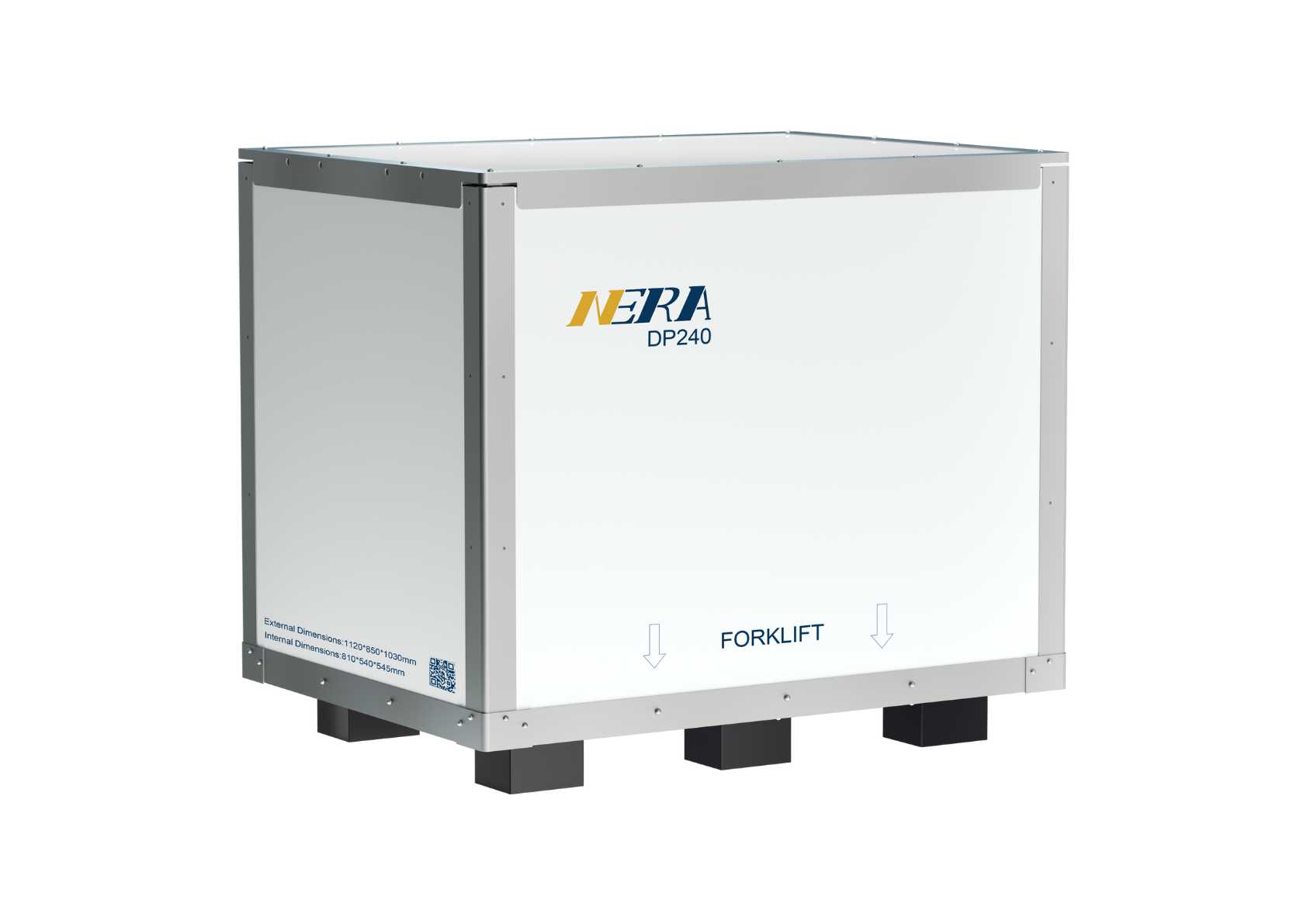
The DP240 is designed to address this question. It integrates three key features—ultra-low temperature performance (-60°C to -80°C), high payload capacity, and a dry ice‑free design—into a single technology platform. This approach moves beyond meeting individual needs toward addressing multiple cold chain requirements in a more integrated way.
For cell therapies, gene therapies, and certain highly active biologics, temperatures of -60°C or lower are important for maintaining therapeutic potency. Dry ice (solid CO₂), with its sublimation point of -78.5°C, has long been a common choice for this range. However, its use presents certain logistical considerations:
Safety & Compliance: Dry ice continuously releases CO₂ gas during sublimation. In confined aircraft cargo holds or transport vehicles, this can lead to gas accumulation, raising safety considerations and requiring compliance with regulations on in-compartment gas concentrations.
Environmental Footprint: As an industrial by-product, the use of dry ice adds to the supply chain's carbon emissions, which may differ from the pharmaceutical industry's sustainability goals.
Operational Complexity: The procurement, packing, monitoring, and disposal of dry ice add steps and variables to the logistics process.
The DP240 was developed to address these considerations.
The DP240's performance is built upon the integration of several technologies:
1. Phase Change Material (PCM) Formulation & System Design
At the heart of the DP240 lies a proprietary ultra-low temperature PCM system. Through material design and thermal engineering, it uses specialized materials that undergo phase change within specific ultra-low temperature ranges, absorbing and releasing thermal energy.
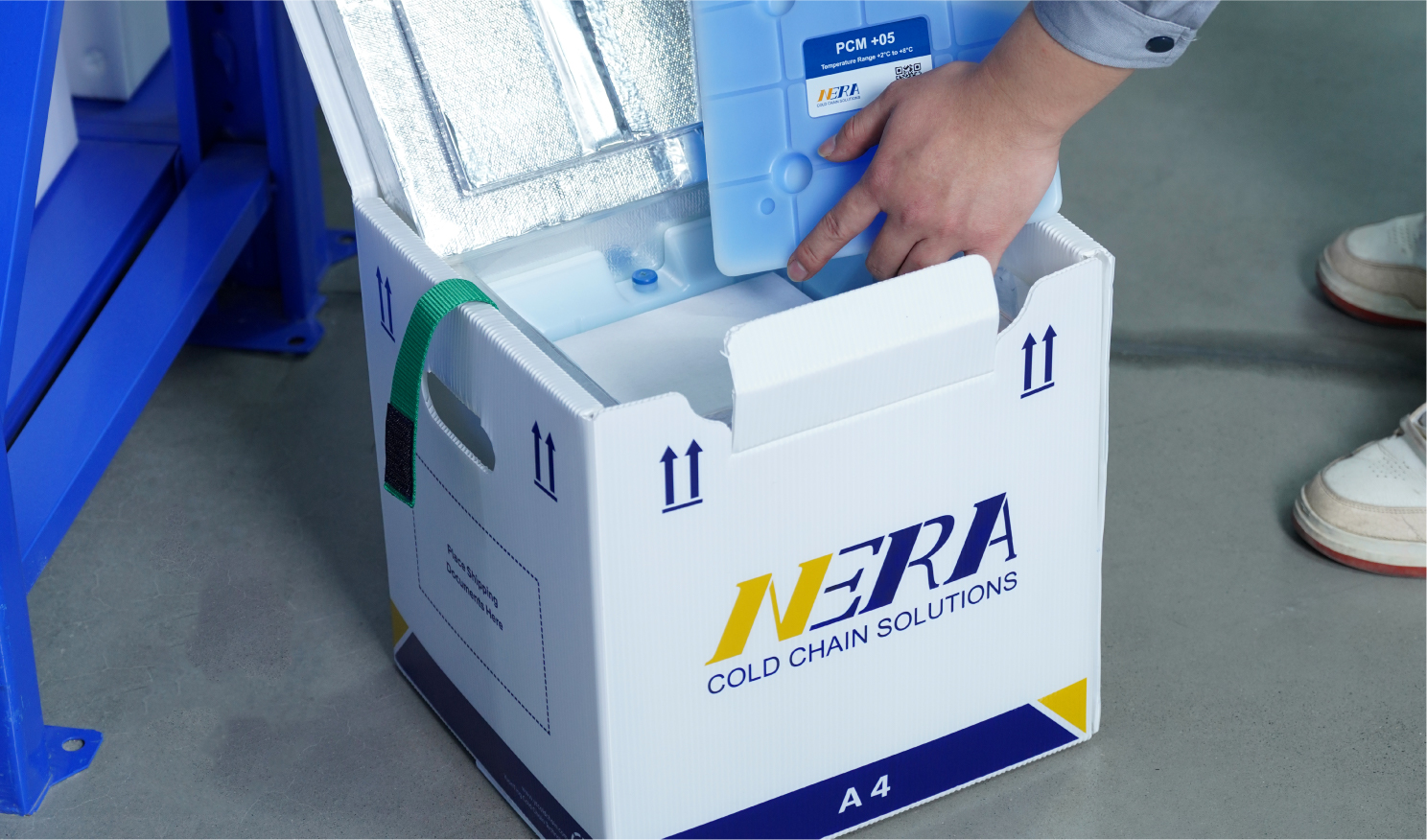
This system is integrated into the container's structure, replacing the refrigeration function of dry ice. It provides a stable, uniform cold source while avoiding CO₂ emissions, addressing safety and environmental considerations.
2. Thermal Balance in a High-Capacity Environment
Achieving both high capacity and extended hold time involves thermal engineering considerations. The DP240 addresses this through two strategies: optimized insulation architecture and controlled cold distribution.
High-performance Vacuum Insulation Panels (VIPs) and multi-layer composite insulation are used to create high overall thermal resistance, slowing external heat ingress.
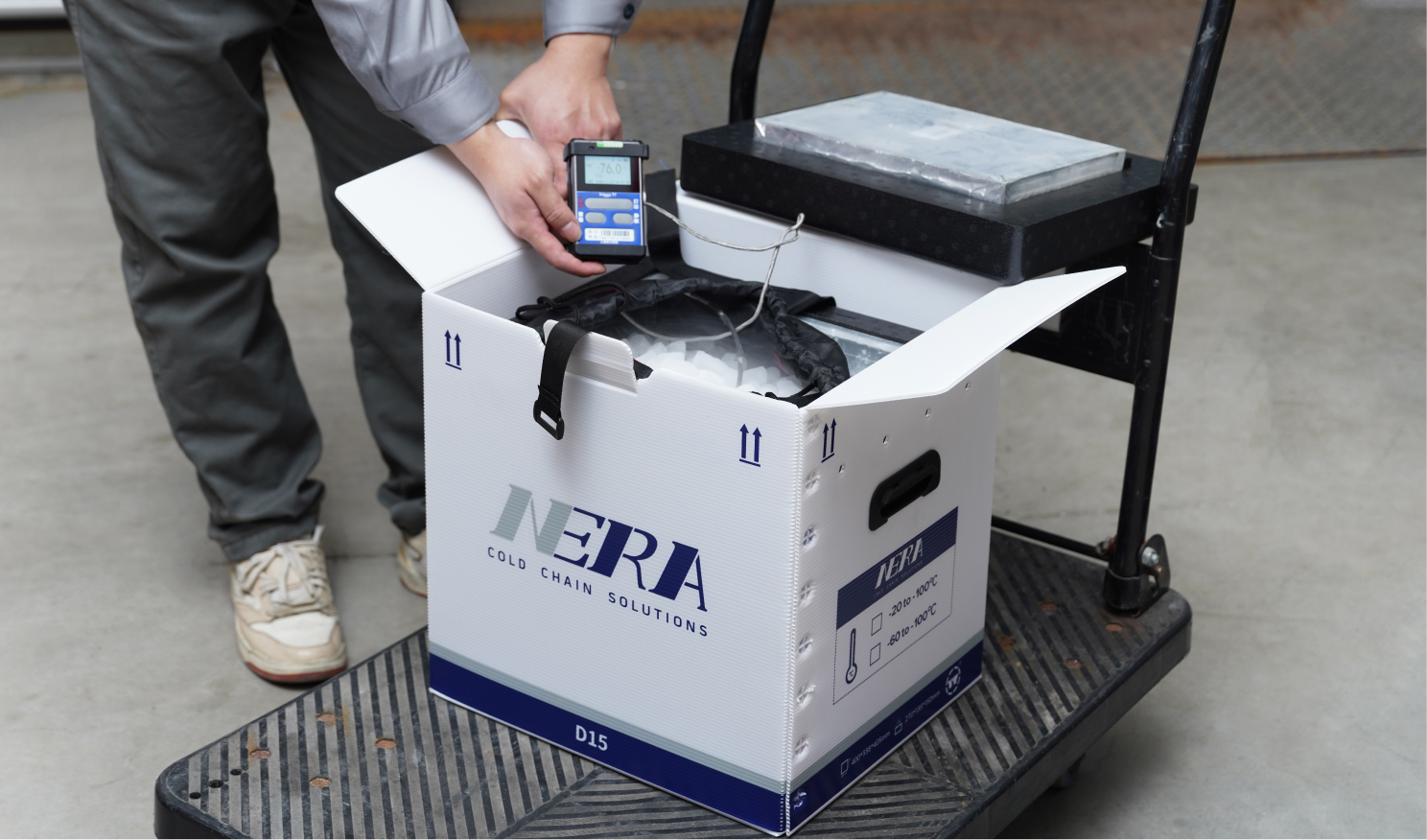
Internal airflow and cold plate layout are designed to help maintain a stable, uniform ultra-low temperature field throughout the payload area, regardless of placement. This helps prevent local temperature variations and supports efficient use of cooling capacity.
Innovation benefits from data. Under ISTA standard testing conditions, the DP240 delivers the following results:
In a simulated ISTA 7D summer profile of +30°C, the internal core temperature can be maintained steadily within the -60°C to -80°C range for over 120 hours (5 days). This provides a practical time window for long-distance, intercontinental shipments.
When the requirement is within the -20°C to -40°C range, temperature maintenance extends to 360 hours (15 days), demonstrating system efficiency and reliability.
Throughout the process, the temperature curve remained smooth and stable, supporting its use as a dry ice alternative.
The significance of the DP240 extends beyond being a transport container with notable specifications. It represents a progression in thinking and value proposition:
A Solution for Complexity: It proves that when faced with multiple constraints—"ultra-low temperature," "dry ice prohibition," "high capacity"—the true solution is not trade-offs, but meeting these requirements through higher-order technological innovation. This offers greater certainty for clients with special compliance or product needs.
Support for Sustainability: By eliminating dry ice use, the DP240 can help clients reduce their supply chain carbon footprint, supporting pharmaceutical companies in their ESG (Environmental, Social, and Governance) goals.
A Proactive Approach to Innovation: The DP240 reflects NERA's culture of proactive development. It is not only a response to client requests, but also a forward-looking solution informed by industry trends and technical considerations. It shows that at NERA, thermal packaging performance is an area of ongoing exploration and refinement.
In life sciences, every breakthrough therapy relies on a robust, reliable, and evolving supply chain. The NERA DP240 is designed to support these shipments. It carries more than just ultra-low temperature-sensitive products; it reflects our respect for scientific requirements, our understanding of client challenges, and our commitment to safer, more sustainable options for healthcare logistics.
When your next shipment of ultra-low temperature sensitive goods is ready, and dry ice is not an option, the DP240 offers a practical alternative.