


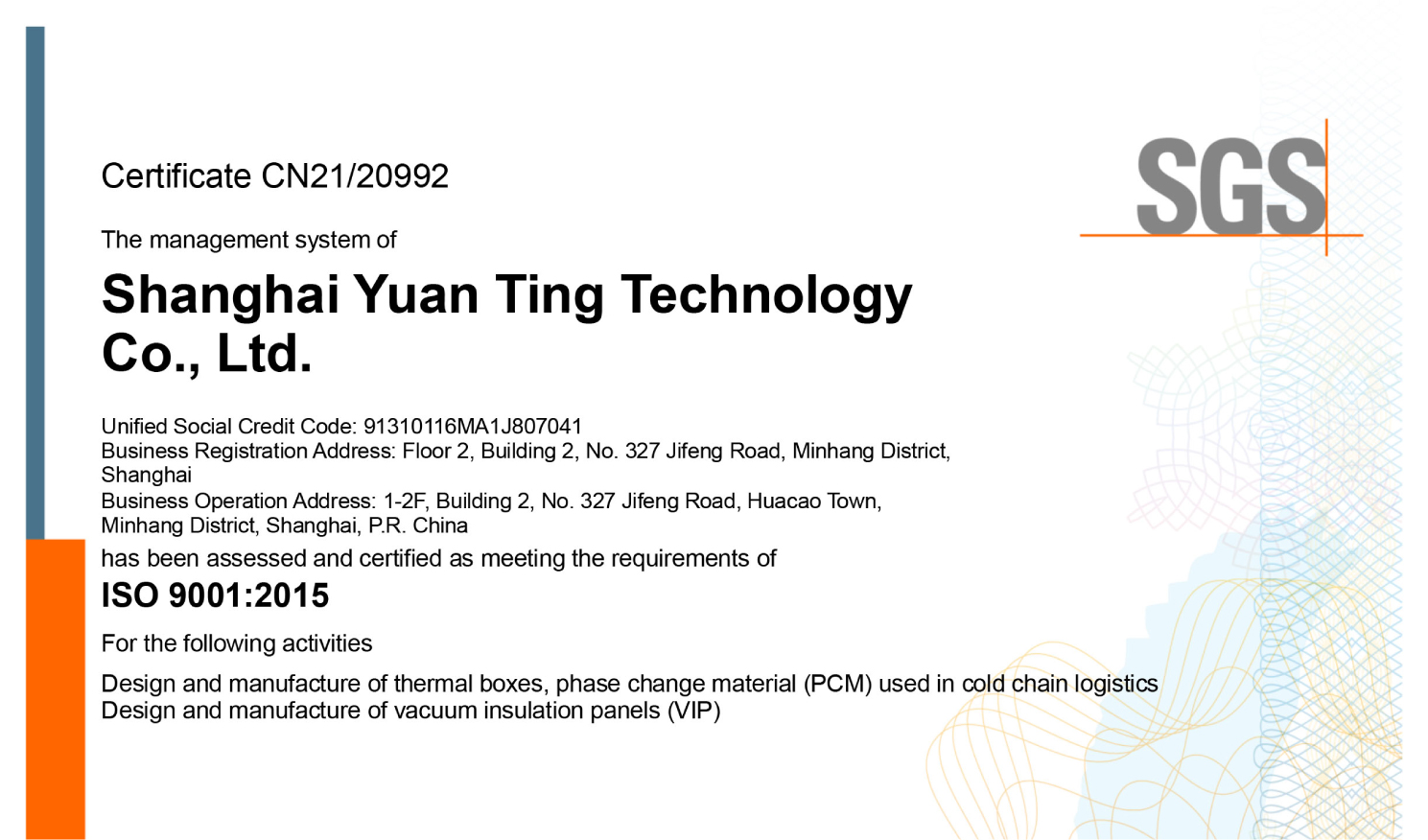


Technical Insights serve as the engine of our innovation. Here, we share our deep explorations and breakthrough applications in frontier material science, intelligent thermal management, and sustainable design. This column bridges laboratory R&D with market needs, revealing how we translate cutting-edge theory into reliable solutions for real-world temperature control challenges. Stay tuned for core insights that are shaping the future of our industry.


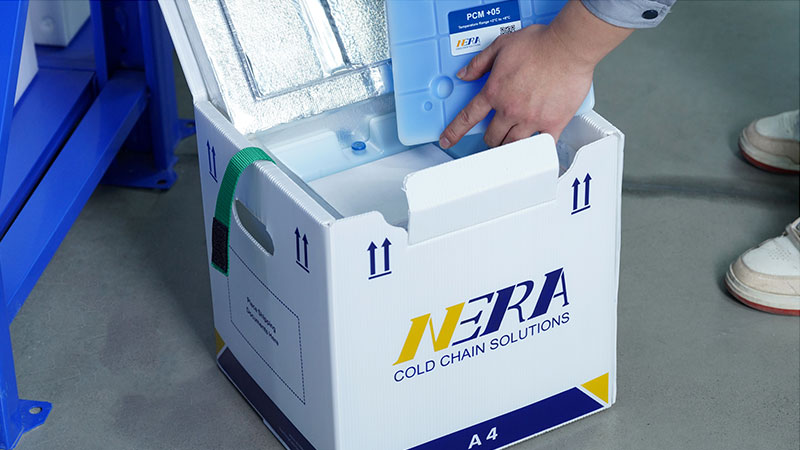
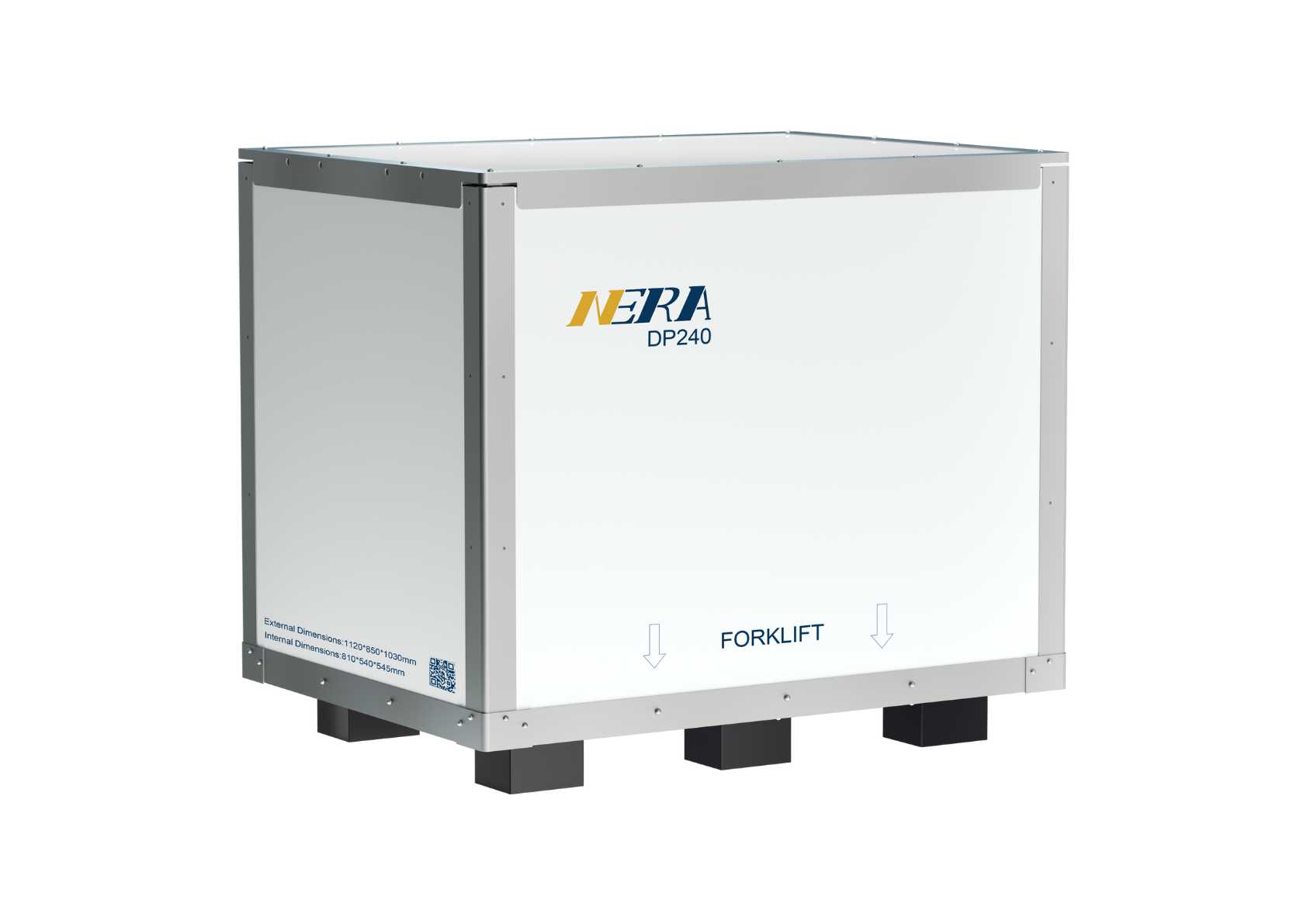
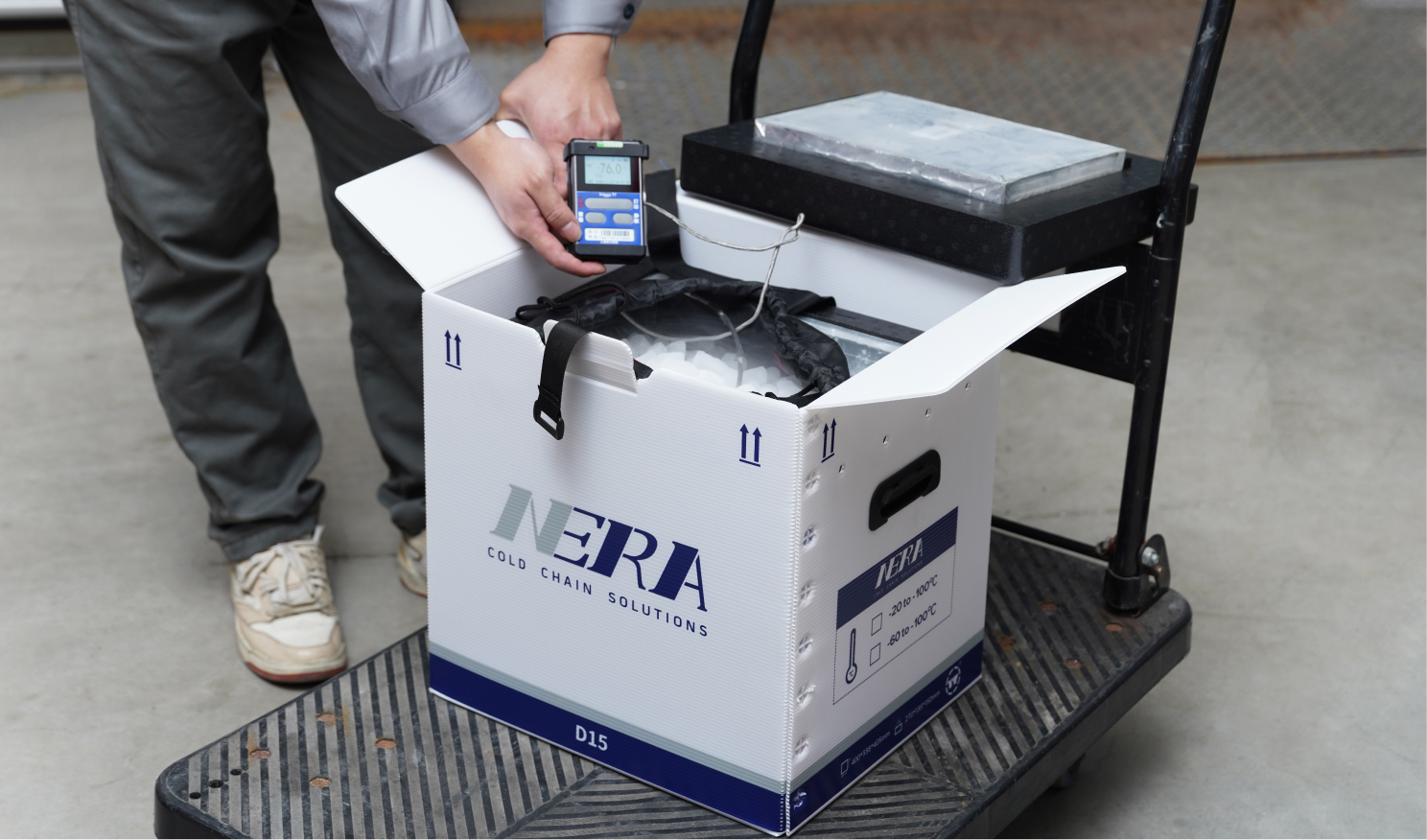


Our portfolio covers a wide spectrum, from ultra-low temperatures for advanced therapies to controlled room temperature ranges. Specific options include -60 to -90°C, -40 to -35°C, -25 to -15°C, 2-8°C, 15 to 25°C, and custom ranges based on your product needs.
Passive thermal control relies on insulation and coolant materials (like PCMs) to maintain temperature without external power, making it ideal for shipping. Active cooling uses compressor-driven systems to generate cold air and requires continuous power, typically used in cold rooms or refrigerated trucks. Passive solutions offer greater flexibility, reliability, and silent operation.
We use Phase Change Materials (PCMs), which act like "thermal batteries" by absorbing and releasing large amounts of heat at specific temperatures. Combined with Vacuum Insulation Panels (VIPs)—a super-insulating layer—this significantly slows heat transfer, enabling passive temperature control for several days without electricity.
Vaccines and other biologics contain proteins or active ingredients that are highly sensitive to temperature changes. Fluctuations can cause them to lose effectiveness, which is why specialized thermal packaging is required to maintain a strict temperature range throughout transit, ensuring both potency and safety.


