Product Selector
CHN KOR ENG
Resources - Resources
Up To 20% Of Temperature-Sensitive APIs Are Damaged In Transit — What's Going Wrong?
11 Sep,2026
YUANTING Technology
  • Content


6 a.m., PVG, One API Shipment

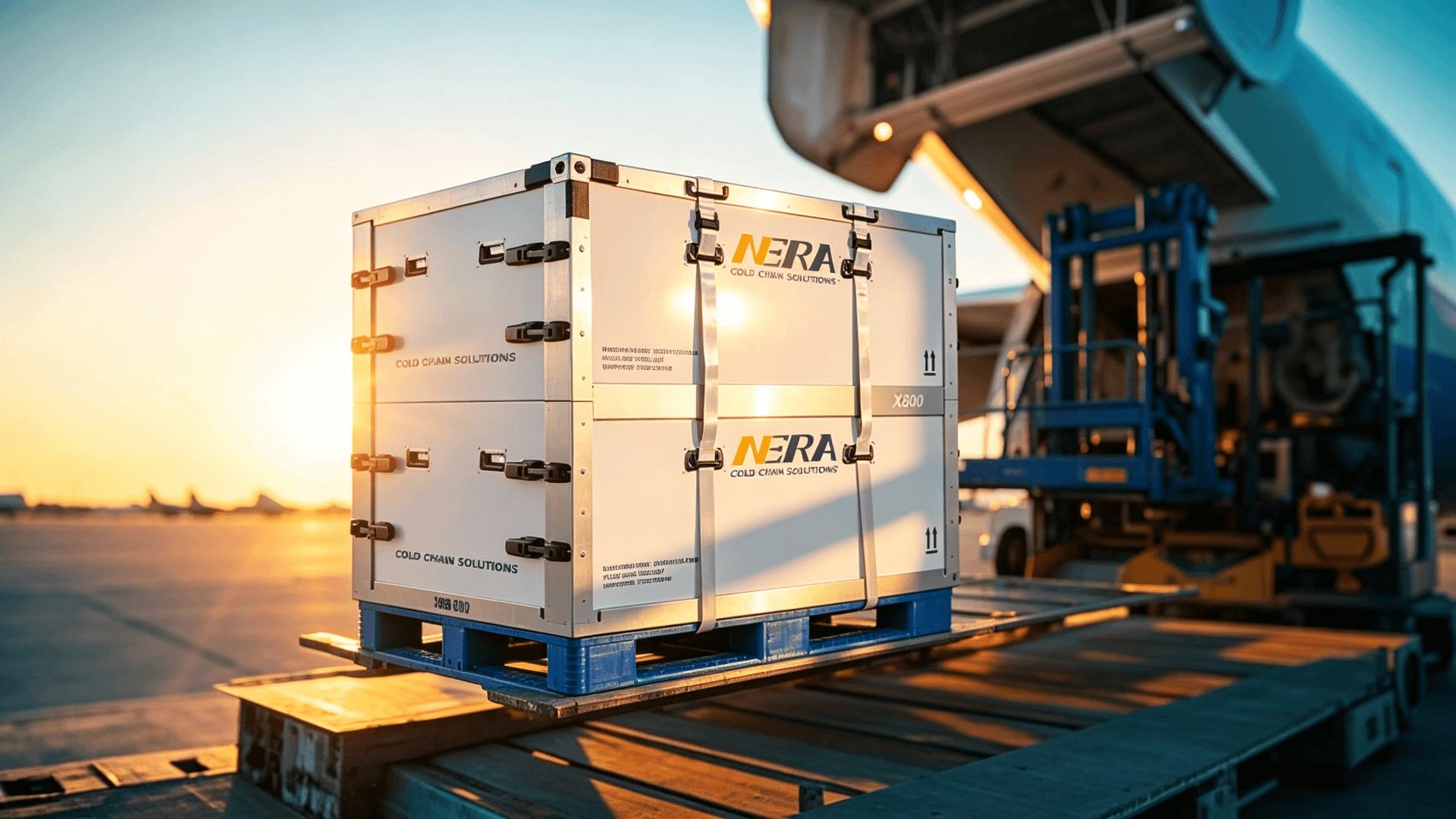
6 a.m. at the PVG(Pudong International Airport, Shanghai) cargo apron. An API tank is being pushed onto a temperature-controlled flight. Destination: Chicago ORD, two stops in between. It's the 47th API shipment this year from a Chinese CDMO.

Per IATA, temperature-sensitive pharma runs a significantly higher exposure rate to deviations than other categories. One excursion is enough to trigger regulatory investigation, batch holds, and clinical delays.


The 6-Month Review On That API Shipment

The 6-month regulatory review kept circling back to five recurring failure points along the route:

1. Tariff volatility reroutes the lanes. Thomson Reuters' February 2026 Global Trade Report surveyed 225 senior trade professionals — 72% ranked US tariff volatility as the top regulatory change, up from 41% the prior year. The PVG → ORD direct can be reassigned overnight to PVG → GRU → ORD or PVG → LAX → ORD.

2. Asphalt tarmac waits at transfer hubs. Major US gateways (ORD, EWR, ATL, LAX) see 1–2 hour tarmac exposure under normal conditions, 6+ hours in delays or congestion. GRU routinely logs 2.5–3 hour tarmac waits, asphalt surface temperatures far exceeding ambient — cargo door open, sun beating in, ground cooling disconnected.

3. Customs inspection opening. When regulators open the box for sampling, active systems face ambient exposure and accelerated battery drain.

4. Inter-cold-storage transfers at airports. Not every cold-storage bay has industrial power outlets.

5. Every extra handover adds another audit trail. GxP, GDP, varying national rules. Each extra stop or carrier switch adds another layer of traceability. Whether a batch can be released depends on that investigation.

The middle three share one feature: no reliable external power. The Cold Chain Federation 2024 report lists airport tarmac transfers as priority use cases for passive solutions; FDA 2022 guidance on passive temperature-controlled packaging also names "power-restricted scenarios" as the core applicability zone.


Why Passive Solutions Win In Power-Restricted Scenarios

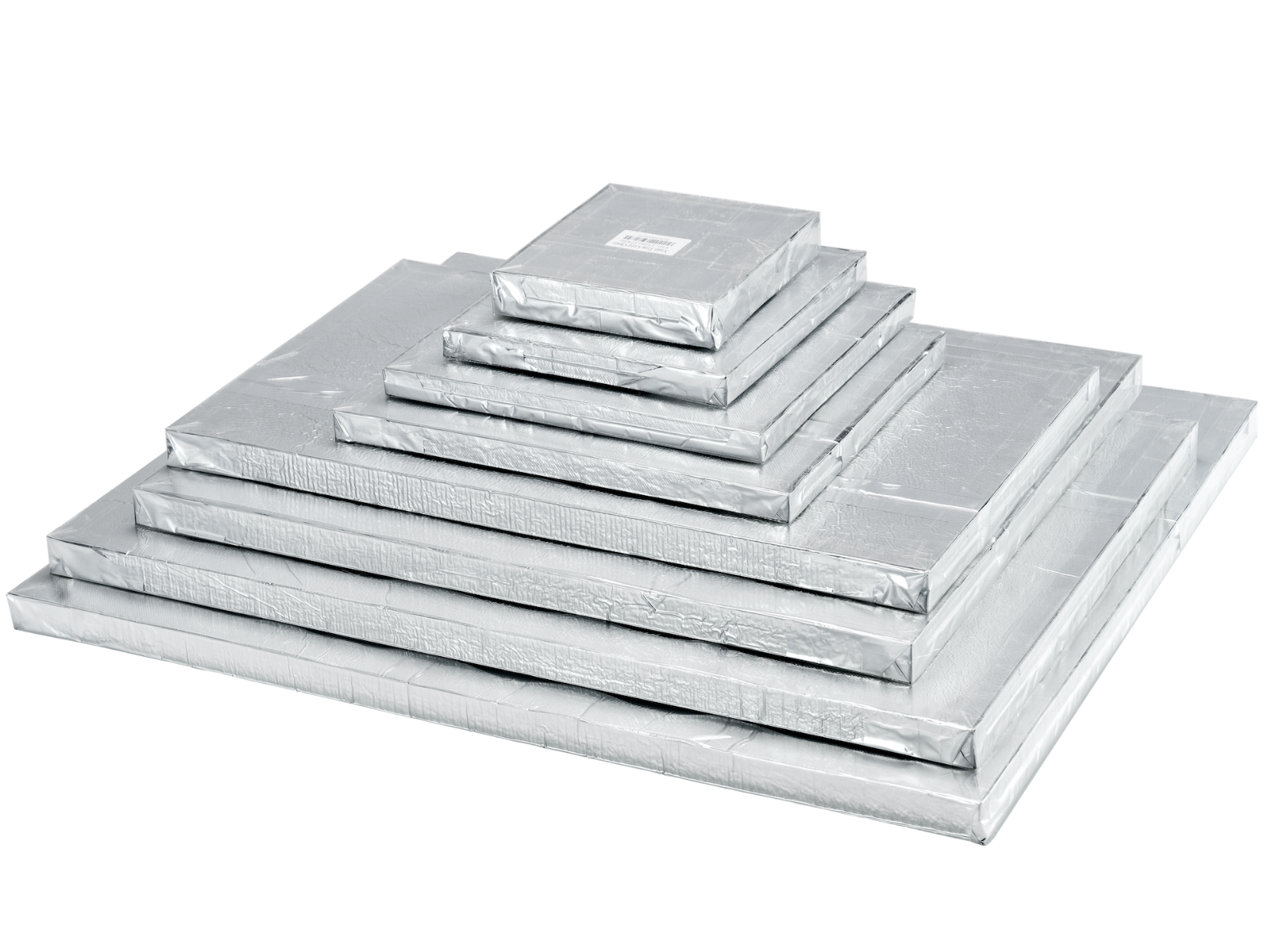
Passive solutions combine PCM thermal storage with VIP insulation, sustaining 120+ hours of thermal autonomy without any external power.
In customs inspection and transfer handoffs, the "environment-agnostic" characteristic of passive boxes is something active systems can't match.
Passive solutions have a ceiling too: mainstream passive boxes typically max out at 120–168 hours. Once total route time breaks that ceiling, even the best passive box can't carry the load.
Autonomy validation deserves the same priority as temperature matching in container selection.


NERA's Answer

On the product side, it comes down to temperature range coverage plus autonomy validation plus SOP alignment.
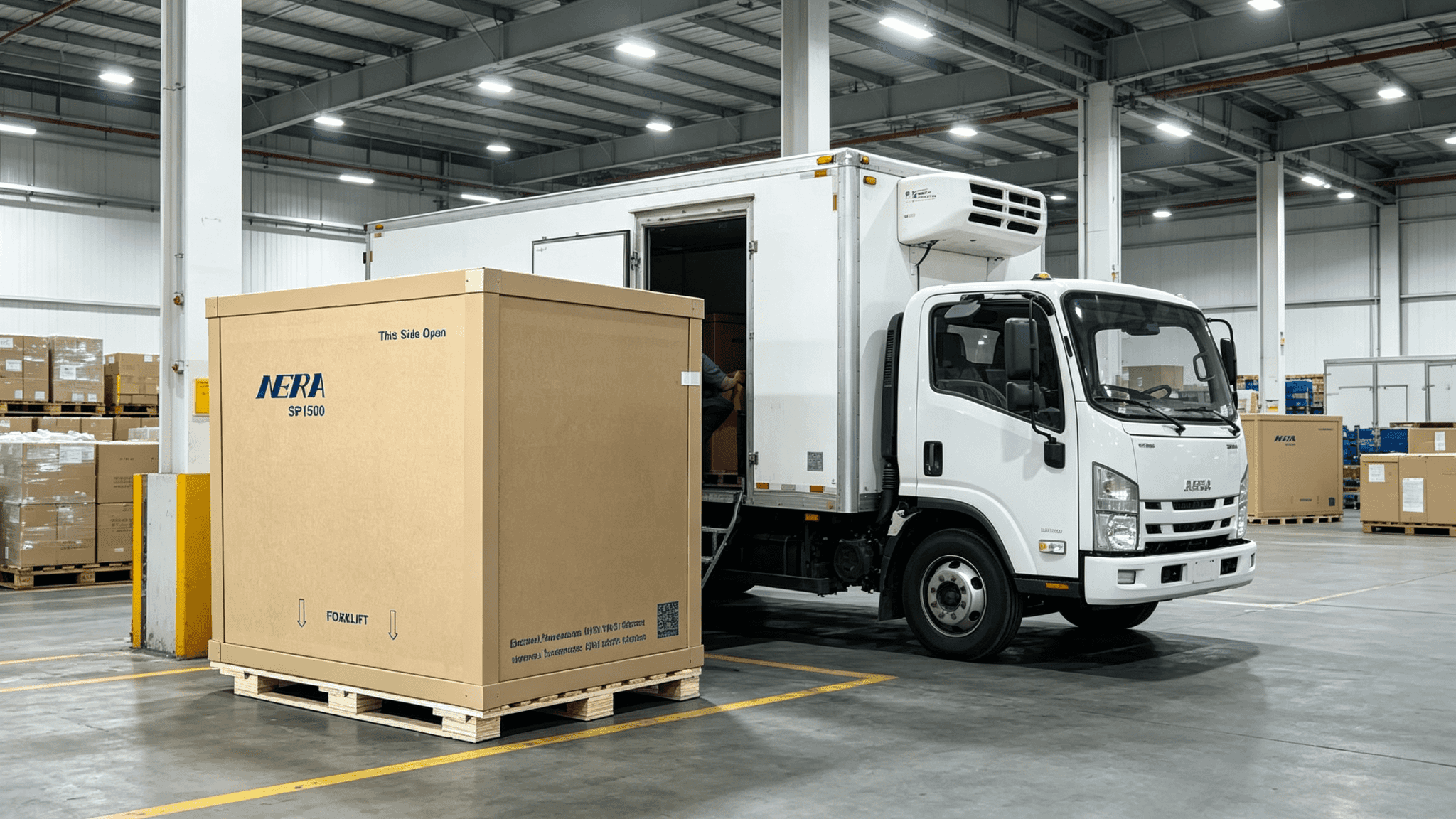
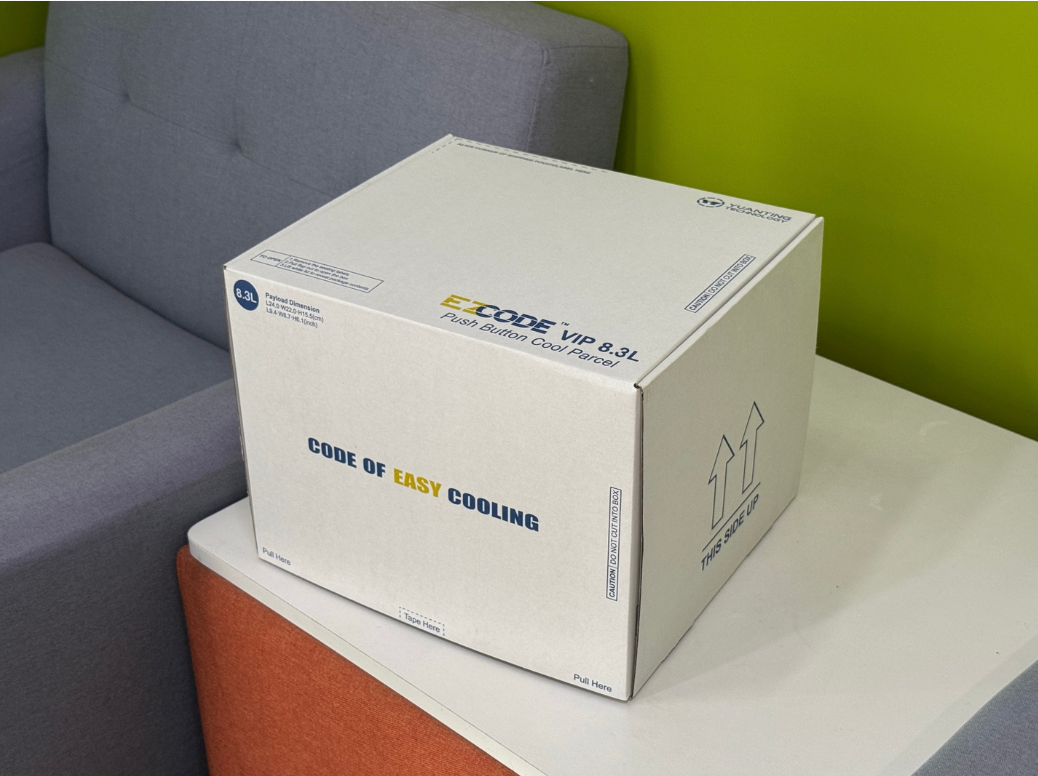
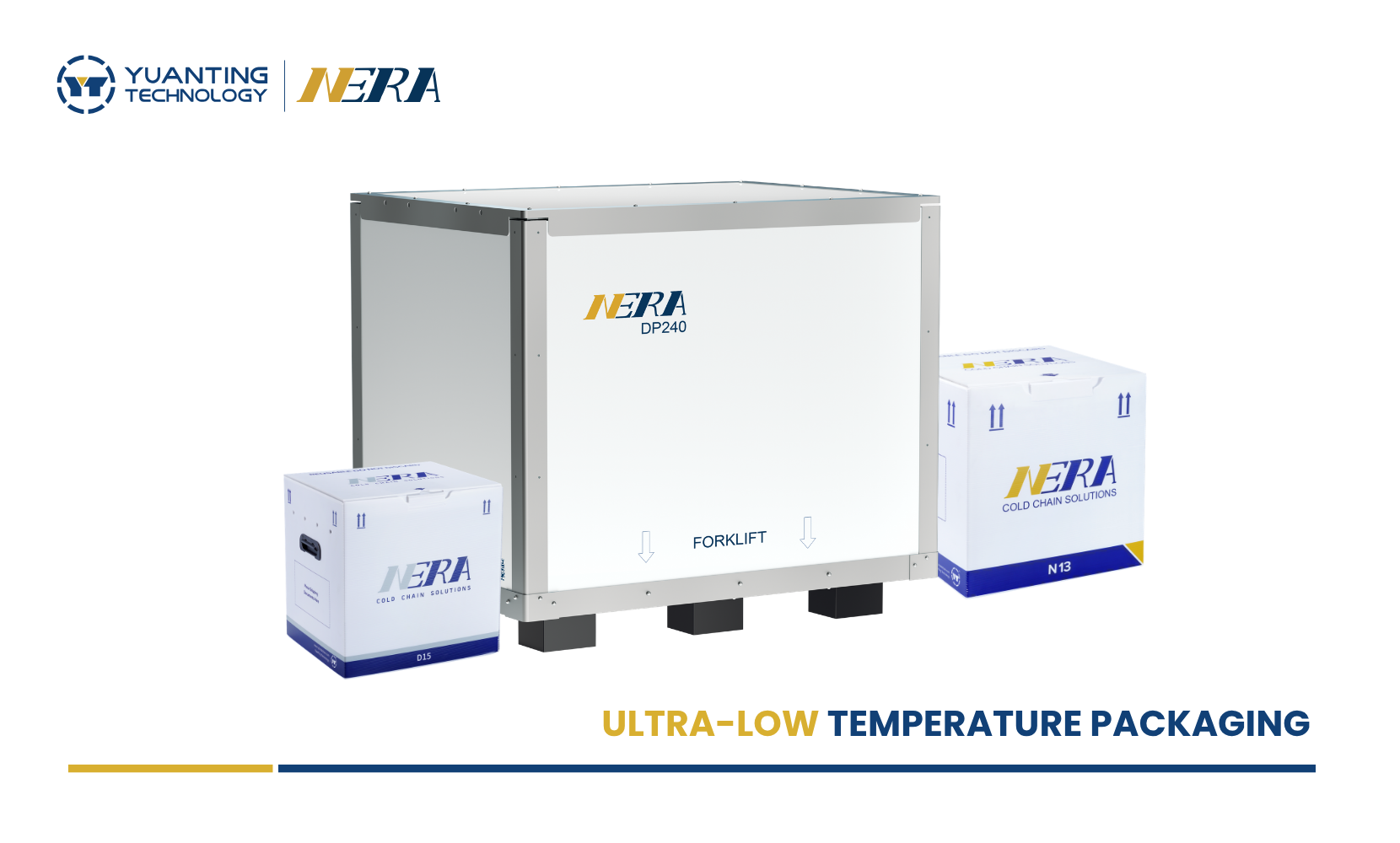
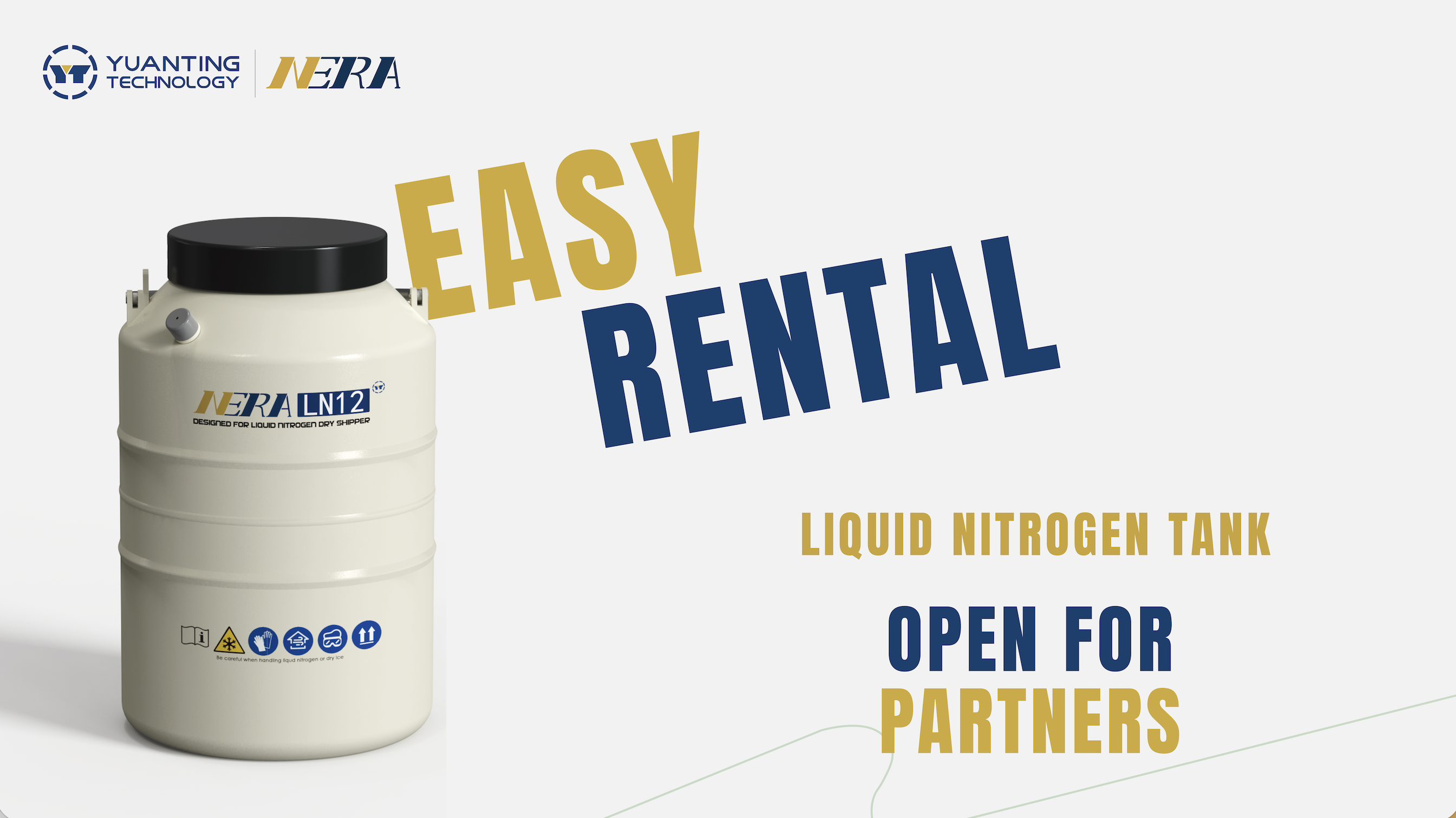
The NERA matrix covers every range API export needs — cell therapy and CAR-T use NERA LN12 for the -200°C ~ -150°C liquid-nitrogen range; deep-frozen APIs at -90°C ~ -60°C go on the D-series dry-ice containers; the three ranges most commonly used for API tanks — frozen at -25°C ~ -15°C, refrigerated at 2°C ~ 8°C, and CRT at 15°C ~ 25°C — are all covered by the S / M / M+ / K / U / X / SP families.


Back To That API Shipment

That API batch was eventually delivered.
Every exposure window, every temperature deviation, every carrier handoff along the route ended up as a new line in the CDMO's SOP.
Looking back, only one thing held the line: in the power-restricted windows along the route (tarmac handoffs, customs inspection openings, inter-cold-storage transfers), the PCM+VIP package kept the temperature envelope intact.
Once power drops out and the envelope starts to drift, no carrier handoff, no SOP, no contingency plan can rescue the batch — the only thing that holds is a box that holds.
 

For API Cold-Chain Peers

The passive cold-chain route (PCM + VIP) is mature, and NERA has filled the full temperature range on it. The selection question isn't "what else do I need around the box" — it's whether the package itself covers the full temperature range, has its autonomy ceiling pre-validated, and can hold the line once power drops out mid-route.
Read More