The Tariff Deal Doesn't Solve the Transition Problem — Cold Chain Is the Hard Part
17 Sep,2026
YUANTING Technology
Content
At midnight on September 29, the U.S. 100% tariff on imported patented drugs and APIs expands from 17 named pharma giants to every company in the market.
Lately, industry channels have been buzzing with the "pledges." Sign an onshoring agreement and the rate drops; layer in an MFN pricing deal and it goes to zero.
The White House cleared nine more mid-sized pharma companies in late August, with the nine collectively committing at least $19.6 billion in near-term U.S. manufacturing investment. Together with the original 17, the signed count reached 26 companies, covering roughly 89% of the U.S. branded drug market.
It sounds like the deal is done. But if you've spent a single day in pharmaceutical supply chain operations, you know it's far from over.
Signing the agreement doesn't put a U.S. plant online tomorrow. Build the facility, move the equipment, run process validation, pass FDA inspection—two to five years, depending on the complexity.
During that transition, APIs, intermediates, and clinical samples still move from India and China to the U.S. gram by gram, batch by batch. The tariff is negotiable. The cargo isn't.
The real problem is this transition window.
Routes shift: direct flights get rerouted or suspended amid tariff talks, forcing third-country transshipment.
Customs slows: heightened inspection rates keep containers sitting at the port for three to five extra days.
Then you hit the airport ramp, where summer surface temperatures exceed 60°C. The reefer truck cuts power after the engine shuts off.
What keeps your 2-8°C API within spec through that gap?
This isn't hypothetical. Every summer, batches get written off at airport cargo terminals when temperature logs show excursions during the ground-handling gap. Active containers plugged in at the dock lose their power; reefers on the tarmac fail mid-transit. Without backup, they're just expensive boxes.
What actually holds up in these conditions is passive cold chain.
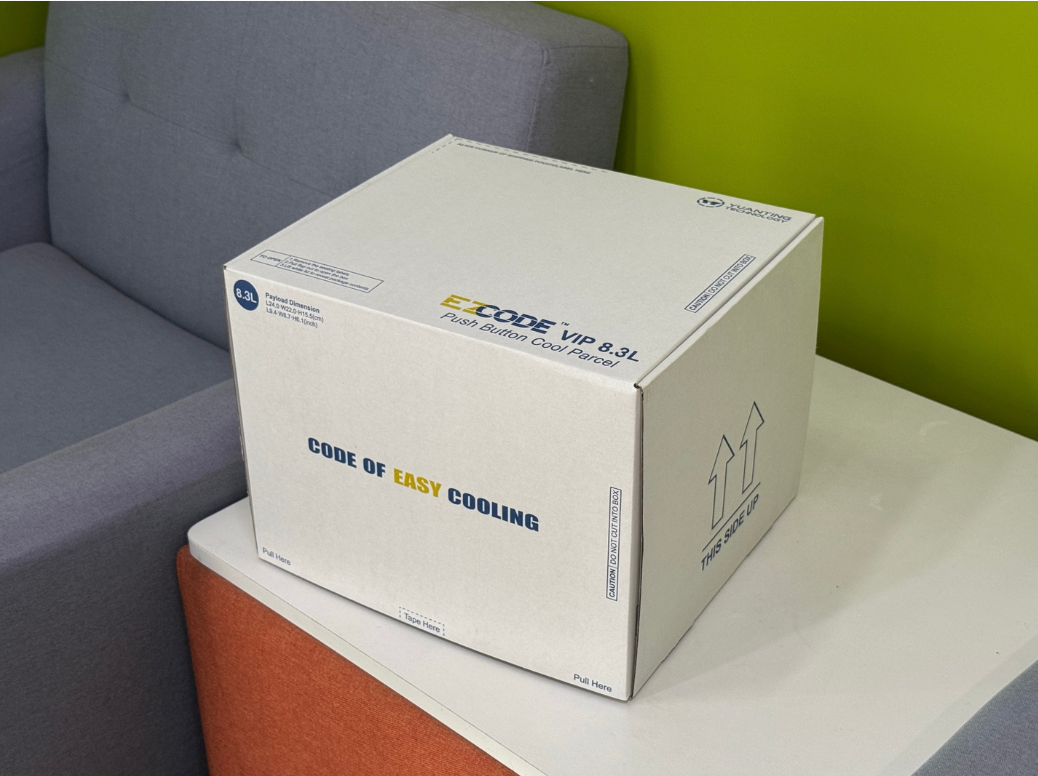
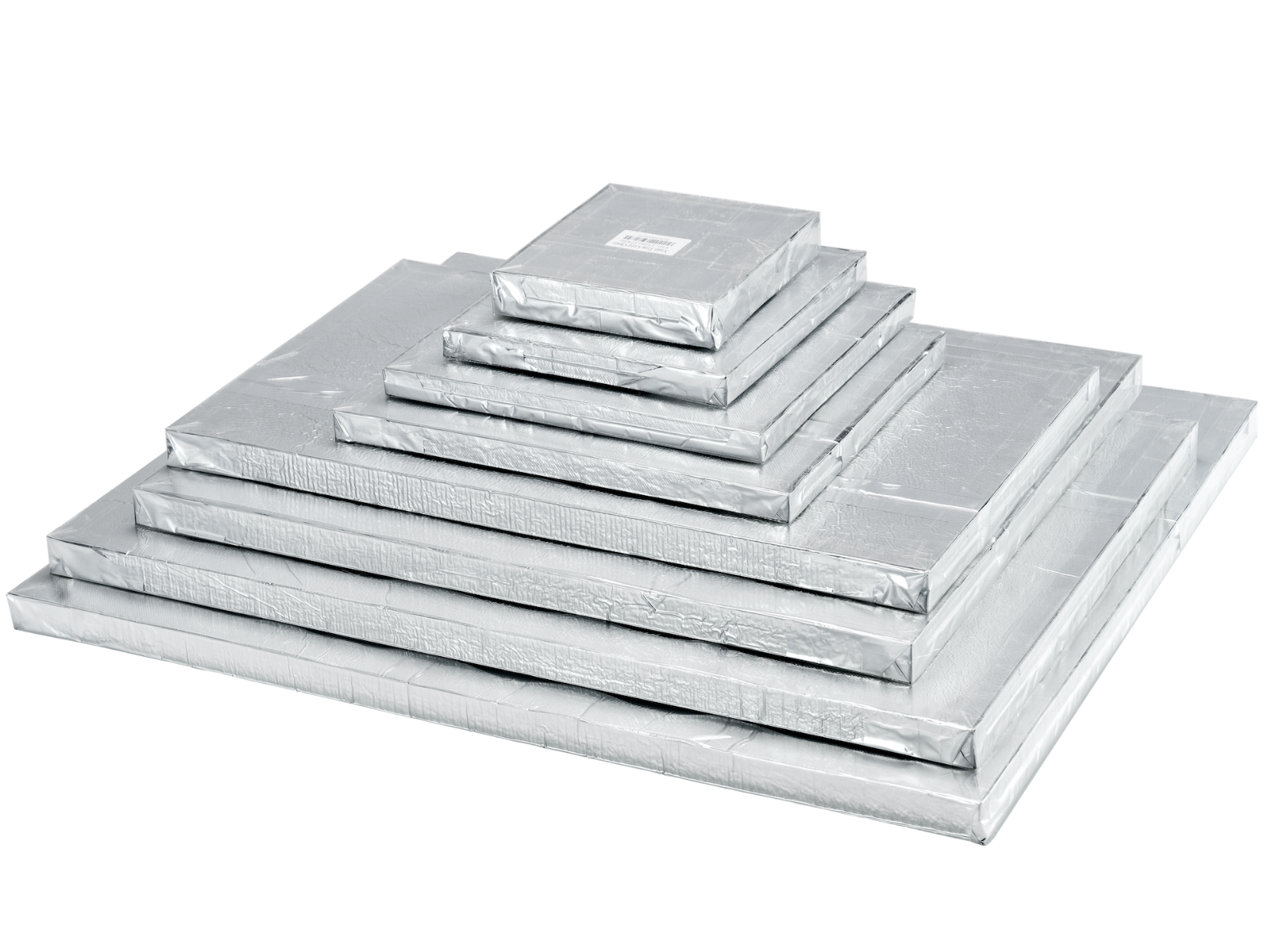
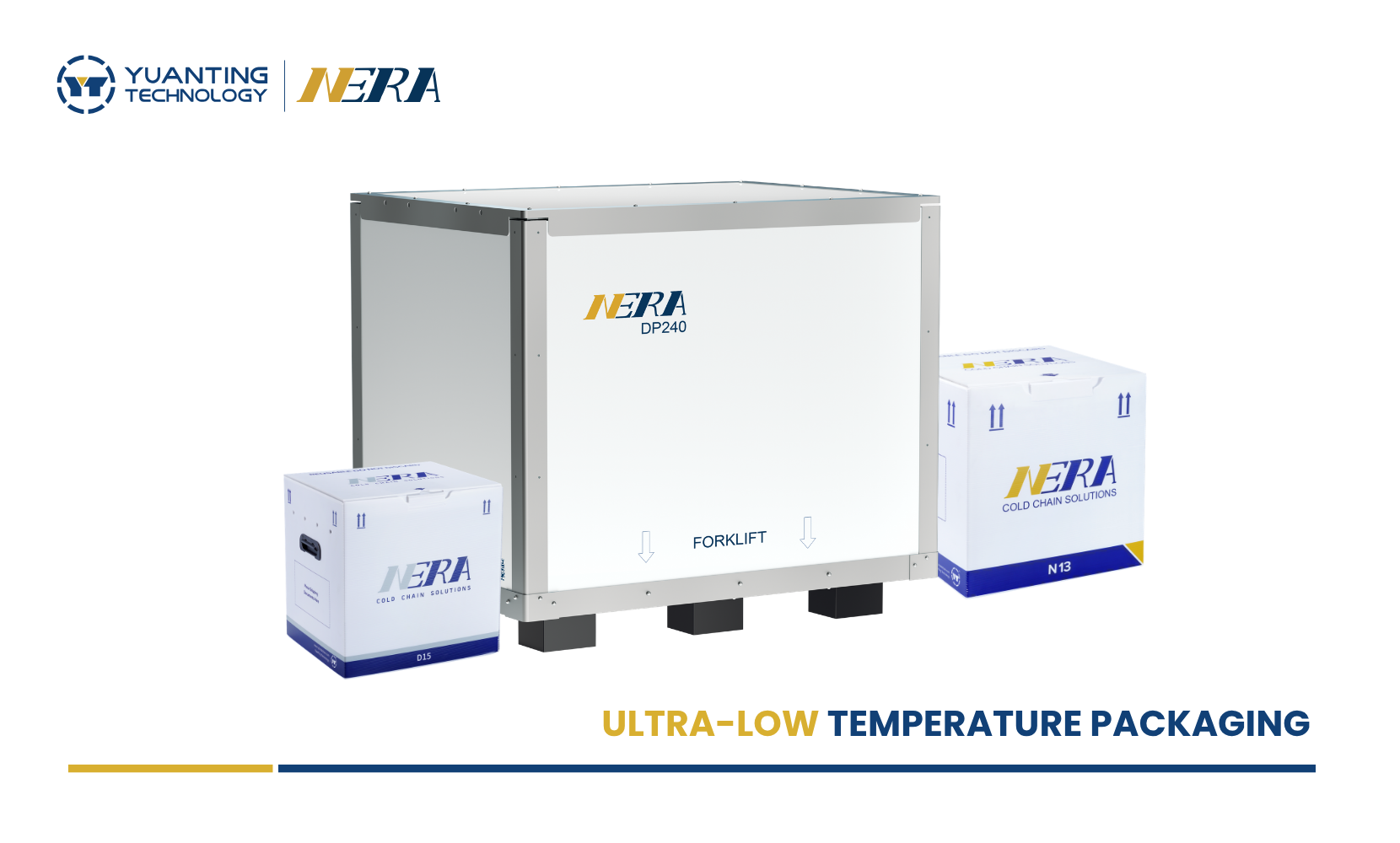
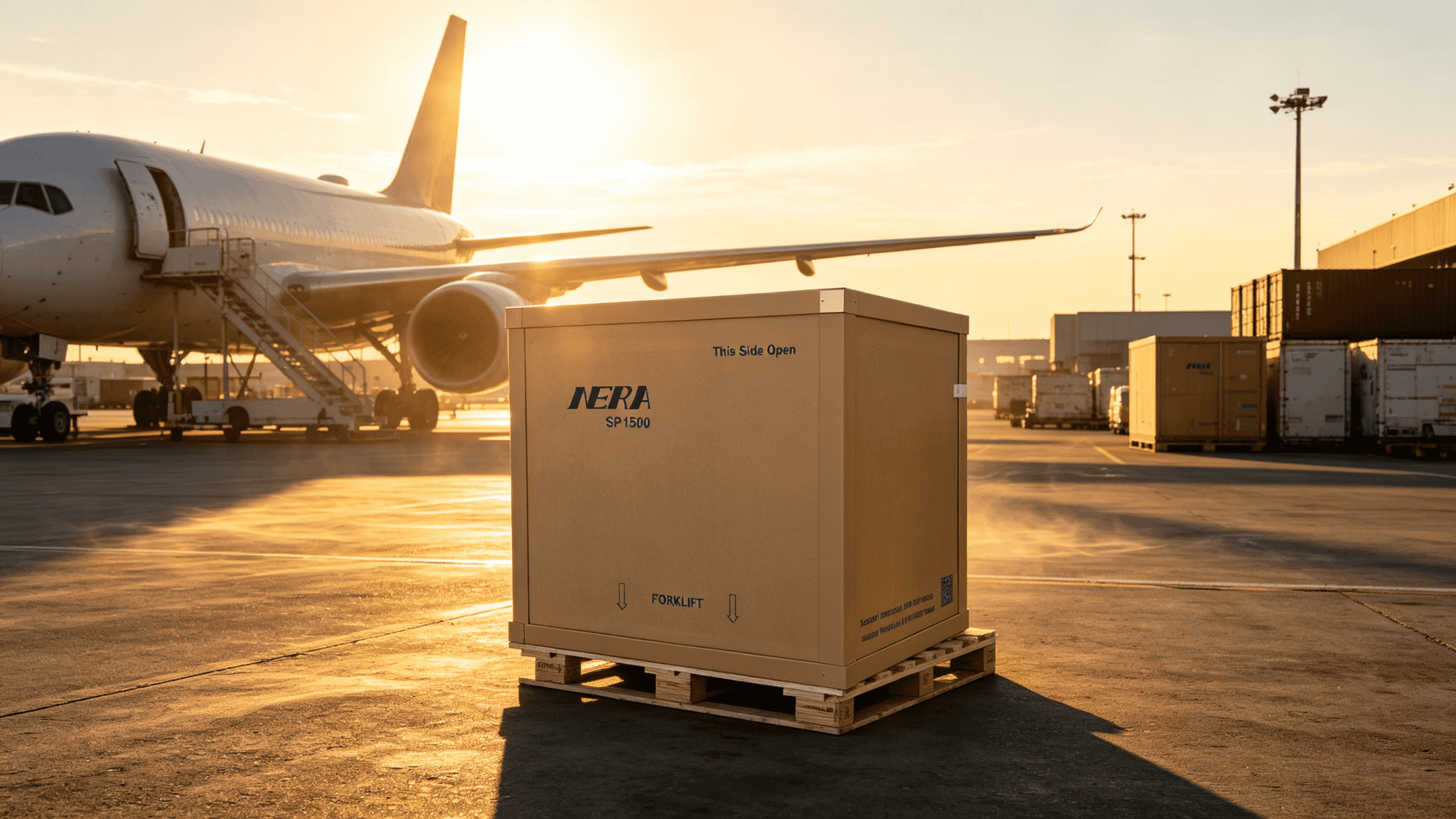
The NERA SP-series Pallet Shipper uses VIP and PCM. No external power, no reefer, no operator on duty. It covers three temperature zones: 2-8°C, 15-25°C, and -25 to -15°C. Summer and winter qualification reports are on file, so the temperature curve holds from warehouse pickup to U.S. receiving, with no drift.
Passive cold chain is the solution that holds up when nobody is watching. During the transition window, customs inspection won't monitor temperature for you, ramp short-hauls won't plug in the reefer, and a rerouted two-day detour won't come with extra cooling or heating.
What you can count on is PCM insulation that stays put once it's pre-conditioned, sealed, and loaded.
Whether the tariff lands at 20% or 0% is something the commerce department negotiates. Temperature compliance for your in-transit API is on you. Signing an onshoring deal doesn't make the transition safe—it makes it more exposed. In a window of massive supply-chain reorganization, you need a passive solution that doesn't depend on power, on people, or on a single shipping route to hold the line.
By the time the U.S. plant goes live, the cargo you shipped during the transition can't be written off for temperature excursions.



 17 Sep,2026
 YUANTING Technology